
- Home
- Products
- Pet bag manufacturer
- leather goods manufacturer
- Custom jute bag manufacturer
- waist bag manufacturer
- beach bag manufacturer
- crossbody bag manufacturer
- leather handbag factory
- Tyvek bag manufacturer
- jewelry bag manufacturer
- laptop bag manufacturer
- travel bag manufacturer
- Custom gift bag manufacturer
- custom gym bag manufacturer
- custom dry bag manufacturer
- Custom Manufacturing
- About Us
- Contact
Custom Bags That Fit Your Brand and Purpose
A bag is more than a place to carry things. Its shape, feel and everyday details influence how people experience your brand. From a practical work bag to a distinctive retail collection or gift packaging, the right design starts with a clear understanding of who will use it and what it needs to do.
Explore bag categories with Lovesbag Group Co., Ltd and start shaping your next OEM/ODM project around its purpose, appearance and intended audience.
Find the Right Bag for Your Next Project
Different projects call for different kinds of bags. A retail accessory may put appearance first, while a travel bag needs a layout suited to its contents. Packaging may need to complement the product inside and create a considered presentation.
Browse the groups below to find a starting point. Each category opens a dedicated page where you can explore that type of bag in more detail before discussing your own version.
Everyday & Business
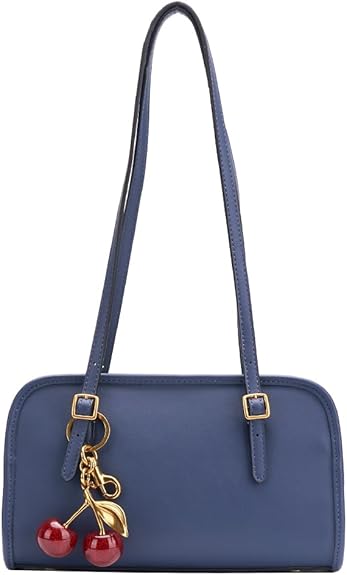
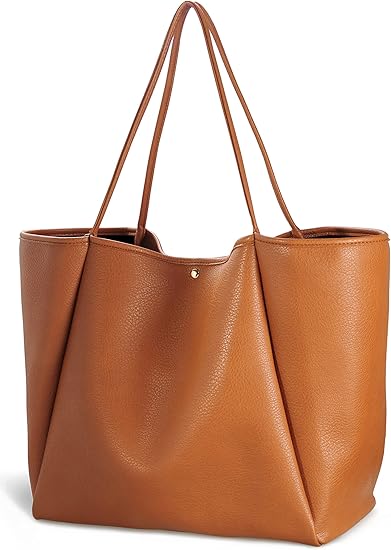
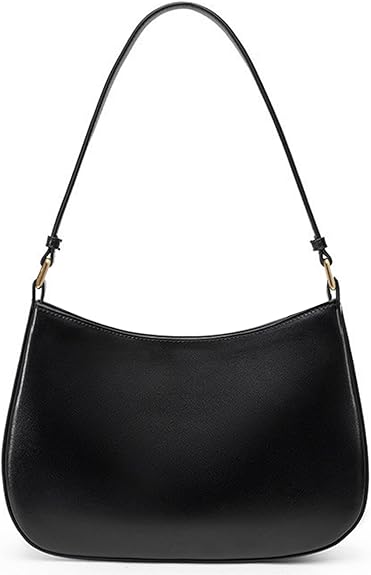
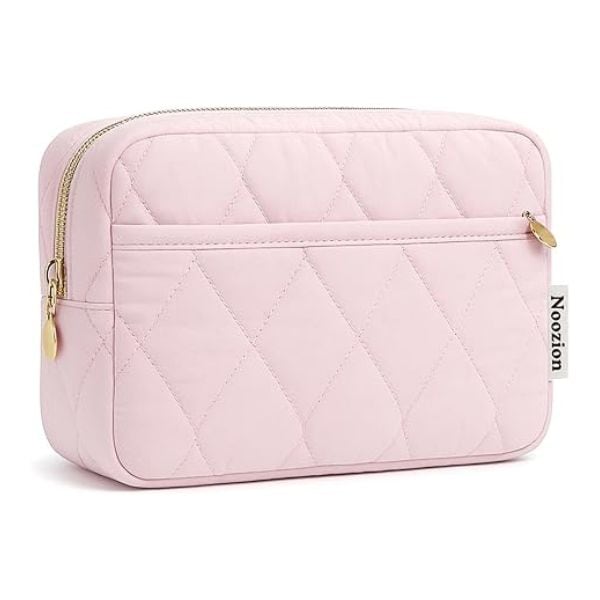
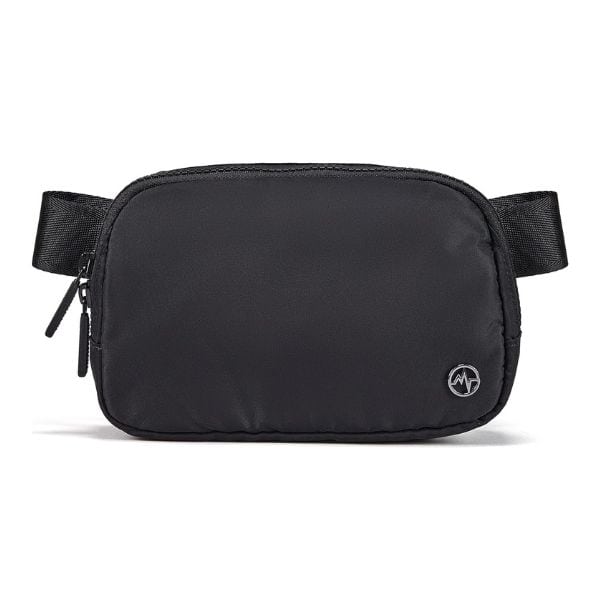
For the daily commute, a busy working day or a personal collection, a bag should feel at home in the way it is used. Consider what it needs to hold, how it will be carried and the impression it should make. This group brings together everyday accessories and bags for work, organization and personal essentials.
Travel & Outdoor
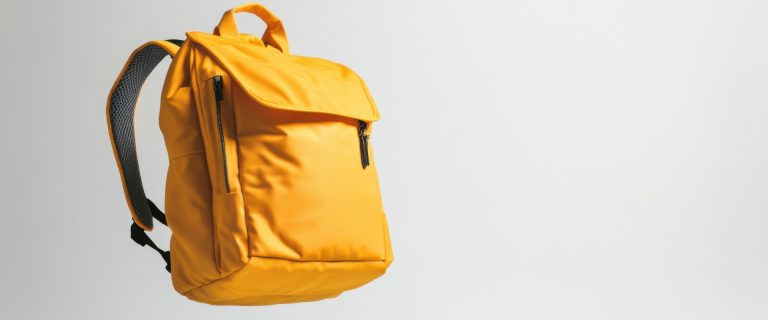
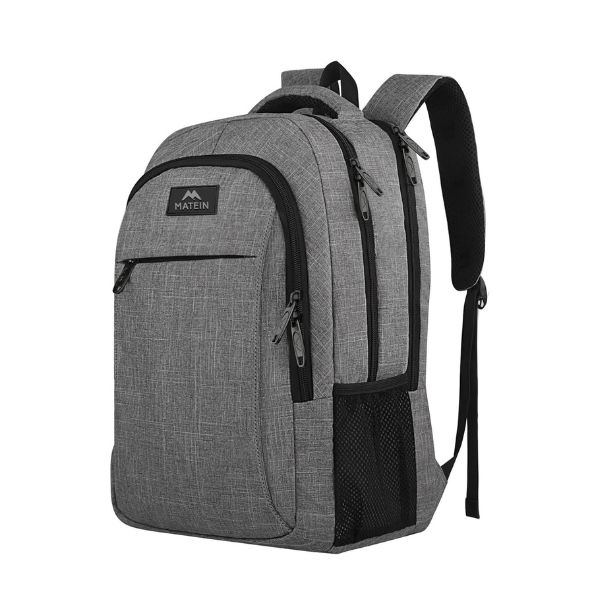
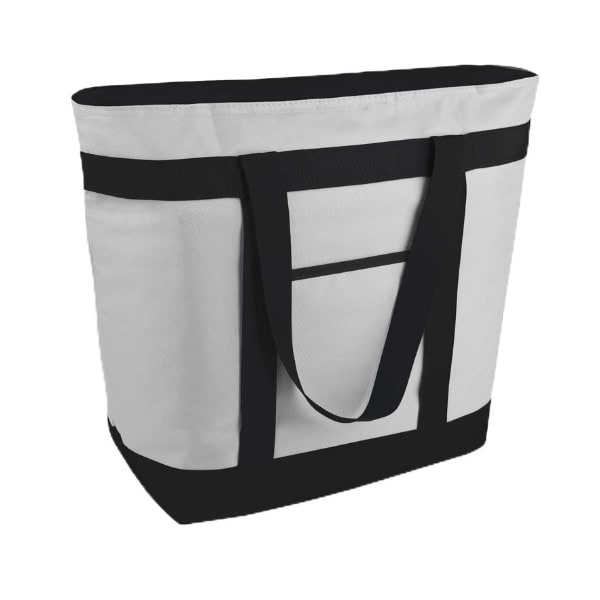
A bag for movement starts with the activity around it. A short trip, a gym visit and a day outdoors each bring different packing and carrying needs. Explore these categories with your intended contents, carrying style and use conditions in mind, then discuss the construction and materials appropriate to your project.
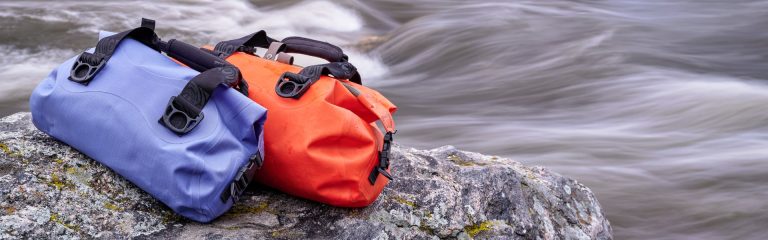
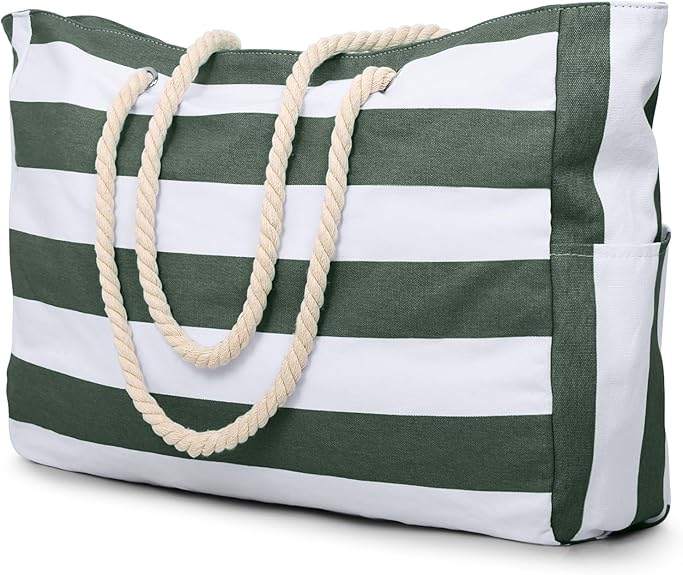
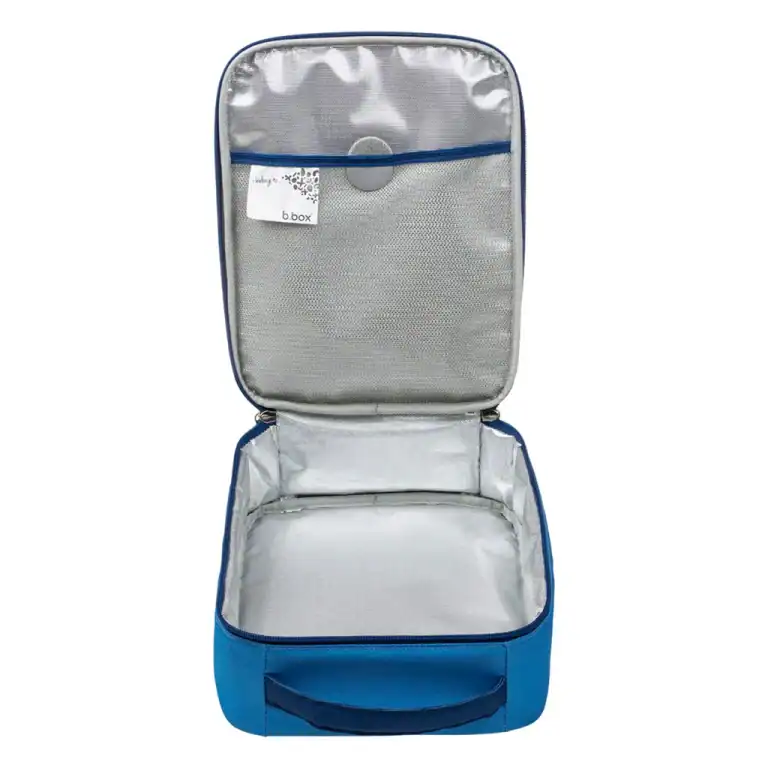
Packaging & Gifts
The bag around a product can be part of the experience of receiving it. Size, texture, closure and branding all help shape that presentation. Whether your project involves retail packaging, a gift collection or a promotional event, start with the item inside and the way you want it to be presented.
Specialty & Leather
Some projects are best explored through a more specific product category. Pet bags bring their own questions about intended use and structure, while leather handbags and small leather goods invite closer attention to form, texture and finishing. Choose the category closest to your concept to begin a more focused discussion.
Build a Bag Around How It Will Be Used
A successful bag concept brings appearance and practical use together. Before focusing on individual finishes, consider the whole product: what it carries, where it goes and how it represents your brand. These questions help establish a useful starting point for your specifications.
Materials & Surface Feel
The material helps define both the look and the handling of a bag. Think about texture, weight, structure and the conditions in which it will be used. A preferred material or reference swatch can make that discussion more specific.
Shape, Size & Organization
Start with the items the bag needs to hold. Dimensions, openings, internal pockets and compartments can then be considered together, rather than as separate additions to the design.
Color & Visual Identity
A bag can echo an existing brand palette or establish a new direction for a collection. Share color references and consider how the main fabric, lining, straps and trims should work together.
Branding & Placement
The position and scale of a logo affect the overall design. Artwork, reference layouts and a clear idea of the desired effect help guide the discussion of suitable branding methods.
Handles, Straps & Closures
These details shape the way a bag is carried and opened. Consider handle length, strap arrangement, access to the contents and the visual balance of the hardware.
Labels & Presentation
Labels and packaging should fit the intended sales or gifting context. Discuss the information, presentation and packing requirements that need to be included in the project.
Available choices will be reviewed against the selected design and materials before specifications are confirmed.
Turn a Starting Idea into an Agreed Plan
An initial concept becomes easier to evaluate when the decisions are made in a clear order. The stages below outline the points to discuss with our team, from defining the project to confirming the details for production and shipment.
01 — Define the Brief
Explain the purpose of the bag, the intended customer and the main design priorities. A sketch, reference image or specification can help establish the direction. If the idea is still developing, identify the decisions you need help discussing.
02 — Review the Sample
Use the sample stage to assess the shape, dimensions, material feel, branding placement and practical details together. Record the changes to be discussed so that the approved version and specifications are clear.
03 — Confirm the Production Details
Before proceeding, agree on the design version, order quantity, packaging requirements and commercial terms. Keeping these details aligned provides a shared reference for the order.
04 — Arrange Packing & Shipment
Discuss packing instructions, destination and shipping arrangements as part of the order planning. Confirm the applicable schedule with our team based on the final project requirements.
Sample arrangements, minimum order quantities, pricing and lead times are discussed for each project.
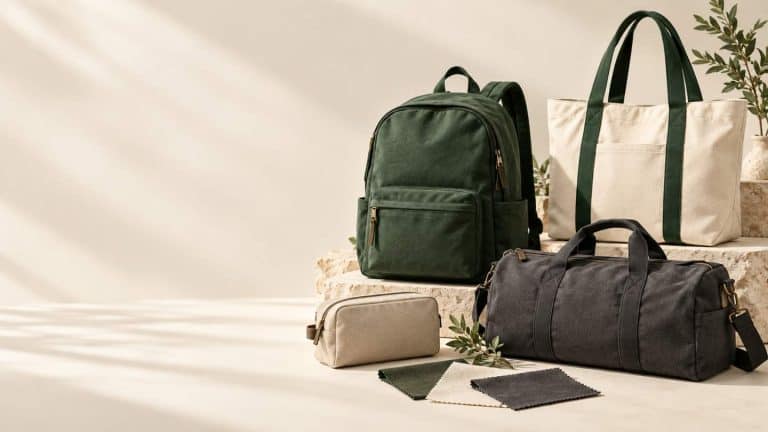
A Conversation About Your Brand, Your Product and Its Purpose
Lovesbag Group Co., Ltd is based in Shanghai, China, with a focus on OEM/ODM custom bag projects. The starting point for a useful conversation is the context behind the product: who it is for, how it will be used and where it fits in your range.
You may be developing a new collection, adapting an existing design or exploring packaging for a particular product. Bring that context into the discussion so the bag can be considered as part of your wider brand and business needs.
Visit our company page to learn more about Lovesbag, or speak with us when you are ready to explore a specific project.
What Would You Like Your Next Bag to Do?
Start with the essentials: the type of bag you have in mind, its intended use and the features that matter most. Add reference images or specifications if you have them. A clear starting point helps our team understand the project and identify the details to discuss next.
If you are still comparing categories or deciding on the design direction, let us know which questions you are working through.
Prefer email? Write to info@lovesbag.com.